

The government has announced a major shift in public expenditure policy, scrapping funding for most national public holiday celebrations beginning in the 2026/27 financial year as it seeks to channel more resources into wealth creation and priority development programmes.
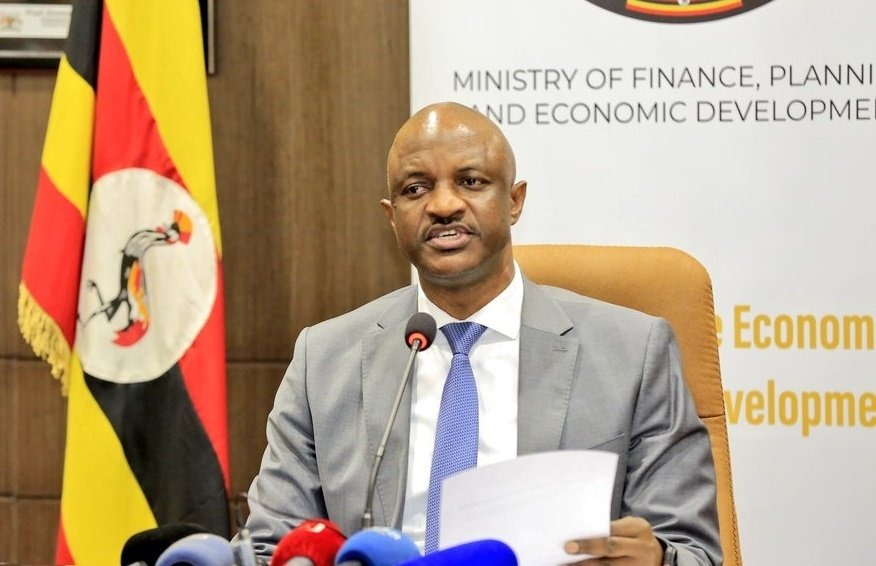
The decision was announced by Permanent Secretary and Secretary to the Treasury Dr Ramathan Ggoobi, who said the move forms part of broader efforts to improve expenditure efficiency and ensure public funds generate greater economic impact.
Under the new arrangement, government-funded commemorations for most statutory public holidays will be discontinued. Instead, many of the occasions will be marked through televised and radio addresses by President Yoweri Museveni from State House, significantly reducing the costs associated with organising large-scale national events.
“For the 2026/27 financial year, government will no longer finance most public holiday celebrations. The resources will instead be directed towards wealth creation and other priority interventions,” Ggoobi said.
For years, Uganda has spent substantial sums organising national events such as International Women's Day, Labour Day, Heroes Day, NRM Liberation Day and Independence Day, among other statutory commemorations.
Such celebrations typically require extensive spending on security deployments, transport, accommodation, tents, public address systems, entertainment, publicity and other logistical arrangements.
Although the Ministry of Finance has not disclosed how much money is expected to be saved, individual national celebrations have in recent years attracted budgets ranging from hundreds of millions to several billions of shillings depending on their scale and location.
Uganda currently observes 14 public holidays annually, comprising both religious and statutory observances.
Treasury officials indicated that some key religious commemorations are likely to continue receiving government support, while most statutory celebrations will shift to lower-cost formats.
The policy comes as government seeks to maximise the impact of public spending amid growing demand for investment in agriculture, industrialisation, healthcare, infrastructure, education and job creation.
It also aligns with the government's long-standing focus on wealth creation programmes, including the Parish Development Model (PDM), Emyooga, agricultural commercialisation initiatives and value-addition projects aimed at increasing household incomes and expanding participation in the money economy.
The 2026/27 national budget is anchored on the theme of full monetisation of Uganda's economy through commercial agriculture, industrialisation, expanded services, digital transformation and market access.
The Parish Development Model alone has received trillions of shillings in government funding since its launch and remains one of the administration's flagship interventions for poverty reduction and rural economic transformation.
Economists and public finance analysts have long argued that reducing expenditure on ceremonial activities can create additional fiscal space for investments that produce measurable economic returns and improve service delivery.
The move also comes as Uganda balances ambitious development spending with rising debt-servicing obligations and preparations for commercial oil production, which government hopes will further accelerate economic growth.
Uganda's economy is projected to grow at around seven percent, supported by expansion in agriculture, industry and services, making it one of the fastest-growing economies in Sub-Saharan Africa.
Government officials say the decision reflects a broader commitment to fiscal discipline and value-for-money spending, ensuring that limited public resources are directed toward programmes with the greatest impact on jobs, productivity and household welfare.
The policy is nevertheless expected to generate debate. Supporters view it as a prudent cost-saving measure at a time of competing development priorities, while critics may argue that national celebrations play an important role in fostering patriotism, national unity and remembrance of key moments in the country's history.
For the Treasury, however, the overriding objective is to ensure that every available public shilling contributes more directly to economic transformation and wealth creation.
